

Understanding the Allure of Casino Games
The fundamental attraction of casino games lies in their ability to captivate players psychologically. The thrill of playing is often tied to the anticipation and excitement generated by potential winnings. Games like slots, poker, and blackjack are designed to invoke a sense of hope, where players believe they can change their fortune. In addition, many enthusiasts are drawn to the excitement of esports betting sites that offer unique experiences, which further enhances the vibrant lights, engaging sounds, and enticing graphics that create an immersive environment that enthralls players and keeps them engaged. This sensory overload is part of what makes casino games so compelling.
Addiction often stems from the high-volatility nature of these games. For many players, the risk of losing is overshadowed by the possibility of striking it rich, fueling their desire to keep playing. The allure of winning becomes an intoxicating chase, often leading players to ignore the potential negative outcomes. Casinos capitalize on this behavior by creating an atmosphere that encourages extended play, with free drinks and the absence of clocks or windows, further blurring the lines of time and reality for players.
A deeper understanding of risk perception plays a critical role in why players persistently return to casinos. Many individuals are prone to cognitive biases that affect their judgment, such as the “gambler’s fallacy,” where players believe that past outcomes can influence future results. This belief can lead players to continue betting, thinking they are due for a win. Such psychological mechanisms showcase how casinos exploit human behavior to enhance engagement and revenue, making it essential to explore the underlying factors that shape player experiences.
The Role of Reward Systems in Player Engagement
Reward systems are foundational to the appeal of casino games. The immediate gratification that players receive from wins, no matter how small, reinforces their behavior and encourages continued play. This phenomenon is akin to operant conditioning, where positive reinforcement motivates individuals to repeat behaviors that yield favorable outcomes. For instance, hitting a jackpot or even a small win can lead to a surge in dopamine levels, making players feel pleasure and euphoria. This biochemical response is a powerful motivator that keeps players returning for more.
Moreover, the structure of payouts in casino games is meticulously crafted to enhance the excitement of reward anticipation. Variable reinforcement schedules mean that players don’t know when the next big win might occur, creating a sense of suspense. This unpredictability maintains player interest and compels them to play longer in hopes of a massive payout. Such dynamics play a crucial role in keeping players engaged despite the inherent risks of losing, highlighting the effectiveness of reward systems in the gaming industry.

Casinos further employ loyalty programs to gamify the player experience, rewarding frequent players with bonuses, exclusive offers, and experiences. This strategy is not just about financial gain; it creates a community sense and belonging among players. Individuals often return not only for the games but also for the social interactions and the recognition that come with loyalty programs. Such initiatives cultivate an environment where players feel valued and appreciated, enhancing their overall gaming experience and encouraging them to engage more deeply.
The Impact of Environment and Atmosphere on Player Behavior
The casino environment is meticulously designed to influence player behavior positively. The choice of colors, sounds, and layout significantly enhances the gaming experience, making it feel more engaging and less like a traditional betting venue. For example, the use of vibrant colors such as red and gold evokes excitement and a sense of urgency, compelling players to dive into games. Similarly, the sounds of coins dropping and celebratory jingles during a win create an auditory reinforcement that amplifies the overall experience, making it more memorable and enticing.
Psychologically, the design of the casino floor is intended to disorient players regarding their time and money. With no clear path to lead players out, it encourages them to explore, play more games, and ultimately spend more. The absence of windows and clocks further minimizes time awareness, enabling players to lose track of time and money in an engaging atmosphere. This thoughtfully crafted environment exacerbates the impulsive nature of gambling, feeding into players’ desires for entertainment and thrill while enhancing their overall experience.
Furthermore, the presence of other players can significantly influence individual behavior. Players often feed off each other’s energy, whether from shared victories or collective frustrations. Social interactions can intensify emotions, prompting individuals to take risks they might not otherwise consider in solitary settings. This communal aspect of gaming creates a sense of camaraderie, further enhancing the entertainment value and encouraging prolonged gaming sessions that might not happen in isolation.
The Psychological Effects of Winning and Losing
The psychological effects of winning and losing in casino games can profoundly impact player behavior. Winning can induce a euphoric state, often referred to as a “winner’s high,” where players feel invincible and tend to make riskier decisions. Conversely, losing can lead to feelings of despair and frustration, often driving players to chase their losses. This behavior, known as “loss chasing,” often leads to increased gambling as players desperately attempt to recover their lost funds, showcasing the perilous cycle of gambling addiction that can ensnare even the most cautious players.
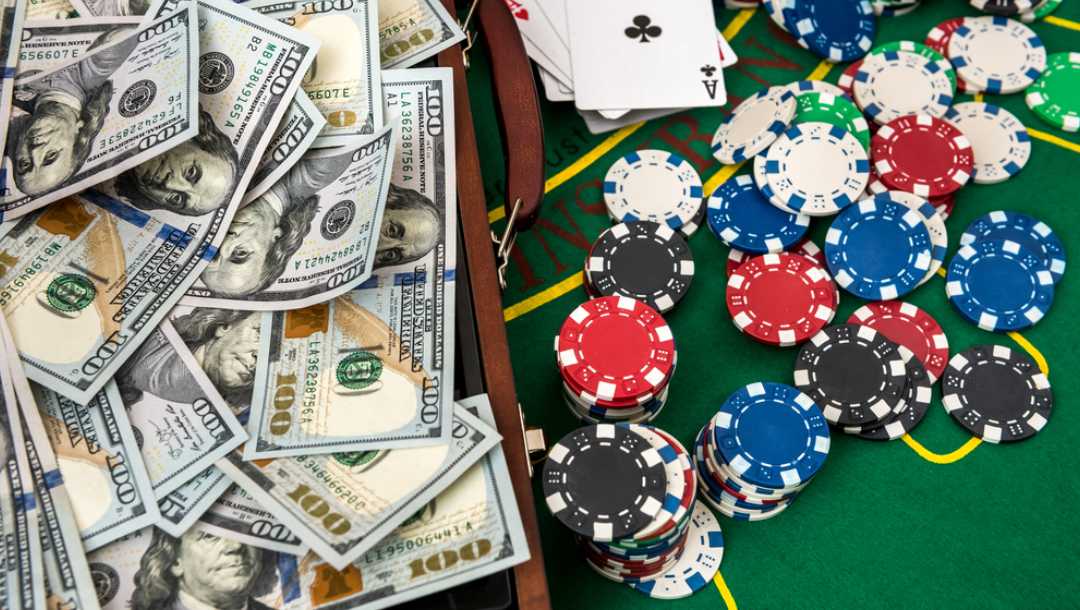
Interestingly, research indicates that losses may affect players more intensely than wins, a phenomenon known as loss aversion. The emotional weight of losing money can create a sense of urgency to continue playing in the hopes of recouping losses. This cognitive dissonance fuels a destructive cycle, where players continue to gamble, often leading to significant financial and emotional distress. Understanding this dynamic is crucial for players and their loved ones when addressing responsible gambling practices and recognizing the signs of problematic behavior.
Moreover, the emotional aftermath of significant wins or losses can have lasting psychological consequences. While winning can boost confidence and self-esteem, it may also set unrealistic expectations for future outcomes. Similarly, losses can lead to guilt, shame, and even depression for players who feel they have let themselves or their families down. These psychological ramifications underline the importance of establishing a healthy relationship with gambling and recognizing the emotional effects that can accompany player behavior, ultimately promoting a more balanced approach to gaming.
Building a Responsible Gaming Community
Creating a responsible gaming community is essential in mitigating the negative psychological effects associated with gambling behavior. A significant step in this direction is education; informing players about the risks and psychological traps of gambling can empower them to make healthier choices. Many organizations and casinos are now implementing responsible gambling initiatives, providing resources for addiction support and promoting awareness about safe gambling practices. Such initiatives play a crucial role in fostering a culture of responsibility and moderation.
Support networks play a key role in this effort, allowing individuals to share their experiences and seek help when needed. Encouraging open dialogue about gambling behaviors helps reduce stigma and fosters a climate where individuals can feel comfortable discussing their struggles without fear of judgment. Communities that actively promote healthy gaming habits contribute to a more supportive environment, making it easier for individuals to seek assistance and reduce the prevalence of gambling-related issues.
Additionally, online platforms and casinos are increasingly integrating responsible gambling tools, such as self-exclusion options and reality checks. These features can help players monitor their time and spending, promoting mindfulness in their gaming behavior. Ultimately, by fostering a sense of responsibility and community, we can work towards a healthier gambling culture, ensuring that entertainment remains enjoyable without leading to detrimental consequences that can affect individuals and their families.